
Get Directions
Minister Road, SecunderabadCall For Appoitnment
+91 73309 90044
Get Directions
Minister Road, SecunderabadCall For Appoitnment
+91 73309 90044
Rectal prolapse is a condition where the rectum, slips out of the anal opening and protrudes out of the anal canal and in severe cases it remains outside the anal canal and is prone to injury.
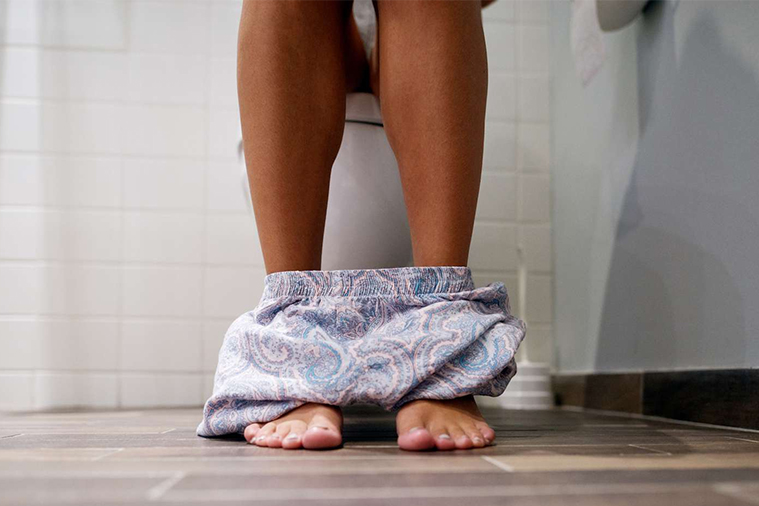
The rectum which is a muscular tube of the large intestine is usually kept well supported inside the pelvic cavity. When these supports become loose Or because of constant repeated straining in the motion due to constipation, the rectum is subjected to continuous outward pressure and that causes the rectum to protrude out of the anal canal and hang out like a tube. This is usually seen in old people but we also encounter this condition in many young people.
In the early stages whenever the patient passes motion the rectum comes out of the anal Canal and after that it can either spontaneously go back inside or the patient can push it back with his fingers.
As time progresses and as the disease gets severe, the rectum comes out and refuses to go back inside and this becomes a major problem.
To prevent a rectal prolapse, one has to avoid constipation and that is achieved through high fiber diet that adequate fluid intake and avoiding straining in the motions. But once the rectal prolapse has happened medical therapies are not very effective in putting the rectum back into position and that is when a surgical treatment is required.
Traditional treatment methods included an open operation which involved long cut on the abdomen and through that the rectum is pulled back inside and fixed in place. Nowadays just like most other gastrointestinal problems we offer a laparoscopic repair for this condition wherein with the help of three or four keyholes, the rectum which is protruding out of the anus is again pulled back and fixed into position to the sacral bone and this fixation is reinforced by the use of a mesh. Once this surgery is done the patient can continue to have a normal life without the rectum prolapsing everything time you go for motion.
Rectal prolapse occurs when the rectum slips down and protrudes through the anal opening. In mild cases, it may come out only during bowel movements, but in severe cases, it can remain outside, increasing the risk of injury and discomfort.
It usually happens due to weakened pelvic muscles and supporting tissues. Chronic constipation and repeated straining during bowel movements are major contributing factors. While it is more common in older adults, it can also occur in younger individuals.
In the early stages, the rectum may protrude during bowel movements but go back inside on its own or with gentle manual support. As the condition progresses, it may remain outside more frequently or even permanently.
In early stages, treatment focuses on prevention, this includes a high-fiber diet, adequate fluid intake and avoiding straining. In advanced cases, surgery is usually required. Modern procedures often use laparoscopic (keyhole) techniques to reposition the rectum and secure it in place, sometimes with the help of a mesh attached to the sacral bone.
Dr. Parthasarathy is experienced in performing laparoscopic rectal prolapse repair. This minimally invasive approach uses small incisions to reposition and fix the rectum securely, helping patients return to a more comfortable and normal life.

Your health deserves the best. Choose Dr Parthasarathy for the best GI care.