
Get Directions
Minister Road, SecunderabadCall For Appoitnment
+91 73309 90044
Get Directions
Minister Road, SecunderabadCall For Appoitnment
+91 73309 90044
Stomach cancer starts when cancer cells begin in the inner line of the stomach.. Stomach cancer is also called gastric cancer. About 90-95% of stomach cancers are referred to adenocarcinoma of the stomach.
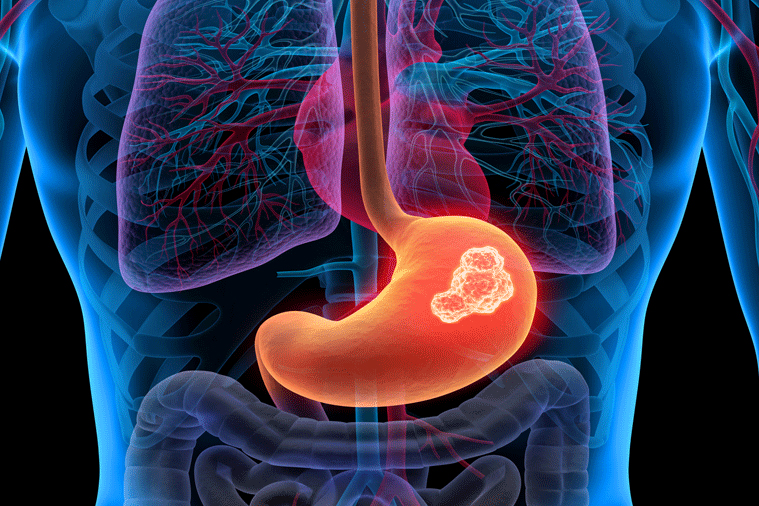
Stomach wall consists of five layers:
These layers are very important to identify the stage of the stomach or gastric cancer. As the cancers begin at mucosa and develop into the deeper layer, the prognosis gets worse. Different types of gastric or stomach cancer include:
Stomach cancer typically has no early symptoms. Therefore, unfortunately, people often do not feel anything wrong is going on until the stomach reached an advanced stage. However, following symptoms which are happening consistently require immediate attention to a doctor for further investigation:
Once the stomach cancer is detected,the treatment is individualized to the type and stage of disease:
Stomach cancer, also known as gastric cancer, begins in the inner lining (mucosa) of the stomach. Around 90-95% of cases are adenocarcinoma. Less common types include lymphoma, GIST (gastrointestinal stromal tumors) and carcinoid tumors, which develop in different layers of the stomach wall.
Several factors can increase the risk of stomach cancer. These include long-term infection with Helicobacter pylori, chronic gastritis, pernicious anemia, stomach polyps and obesity. Diets high in salty or smoked foods, previous stomach surgery and exposure to certain industrial chemicals (like in rubber, metal, timber or coal industries) can also play a role.
In the early stages, stomach cancer often does not cause noticeable symptoms. As it progresses, symptoms may include frequent heartburn, nausea, bloating, loss of appetite, early satiety, stomach pain, fatigue, jaundice or blood in the stool. Because these symptoms can be subtle at first, they are often overlooked.
Stomach cancer staging depends on how deeply the tumor has spread through the stomach wall. It starts in the mucosa (innermost layer), then may spread to the submucosa, muscularis propria, subserosa and finally the serosa (outermost layer). The deeper the cancer spreads, the more advanced it is and the more complex the treatment becomes.
Dr. Parthasarathy is experienced in managing stomach cancer. Treatment may include procedures like endoscopic removal in early stages or partial (subtotal) or complete (total) removal of the stomach in advanced cases. Chemotherapy and radiation therapy may also be used depending on the stage of the disease.

Your health deserves the best. Choose Dr Parthasarathy for the best GI care.