
Get Directions
Minister Road, SecunderabadCall For Appoitnment
+91 73309 90044
Get Directions
Minister Road, SecunderabadCall For Appoitnment
+91 73309 90044
Esophageal Cancer is a cancer that happens in the esophagus and may occur at any place along its path. More men than women are affected by this cancer.
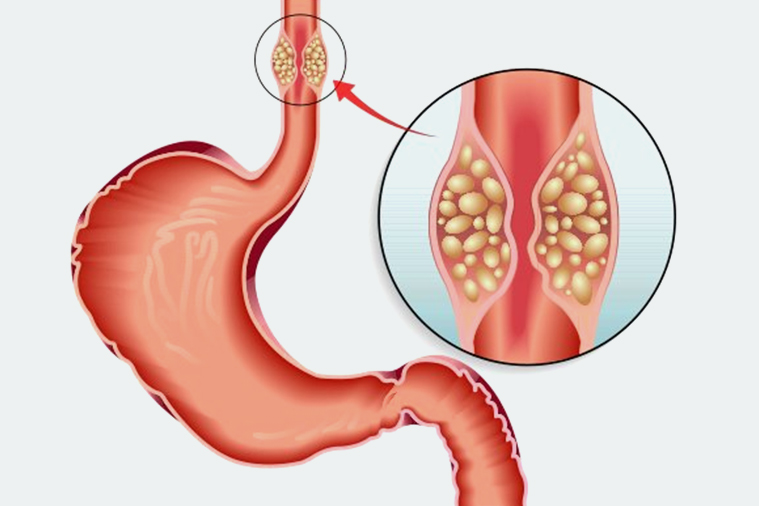
Esophageal cancer is cancer that happens in the esophagus. The esophagus is a long, hollow tube that begins at the throat and ends at the stomach. It is the transportation route through which food taken into the mouth moves to the stomach for digestion. Esophageal cancer may occur at any place along its path. More men than women are affected by this cancer.
Esophageal cancer is described as cancer when cells within the inner wall of the esophagus mutate and multiply rapidly forming tumor. Types of esophageal cancer are:
Esophageal cancers take place when changes happened in DNA of cells that constitute the esophagus.
Esophageal cancer does not reveal any symptom as such until it grows larger to make difficult to pass food through it. However, following symptoms demand immediate consultation with the doctor for further investigation for diagnosis of esophagus cancer:
Treatment of cancer is individualized to the condition of the patient. However, the recommended treatments are as follows:
Esophageal cancer develops due to changes (mutations) in the DNA of cells lining the esophagus. Common risk factors include tobacco and alcohol use (linked to squamous cell carcinoma) and long-standing acid reflux or GERD (linked to adenocarcinoma). Conditions like Barrett’s esophagus can also increase the risk, especially in the lower esophagus or gastroesophageal (GE) junction.
Dr. Parthasarathy is a well-known gastrosurgeon in Hyderabad who specializes in Heller myotomy for achalasia cardia. Patients often choose him for his expertise in managing swallowing disorders using advanced laparoscopic techniques.
Common symptoms include difficulty swallowing (dysphagia), unexplained weight loss, vomiting blood, black stools and persistent heartburn. In some cases, voice changes may occur if the tumor affects nearby structures.
Treatment depends on the stage and overall health of the patient. Options may include surgery (esophagectomy) to remove part or all of the esophagus, chemotherapy, radiation therapy, stent placement to relieve blockage and targeted or endoscopic treatments. Each plan is personalized for the best outcome.
Adenocarcinoma typically affects the lower third of the esophagus or the gastroesophageal (GE) junction and is often associated with long-term GERD. In contrast, squamous cell carcinoma usually affects the upper and middle parts of the esophagus.

Your health deserves the best. Choose Dr Parthasarathy for the best GI care.