
Get Directions
Minister Road, SecunderabadCall For Appoitnment
+91 73309 90044
Get Directions
Minister Road, SecunderabadCall For Appoitnment
+91 73309 90044
Esophageal Cancer is a cancer that happens in the esophagus and may occur at any place along its path. More men than women are affected by this cancer.
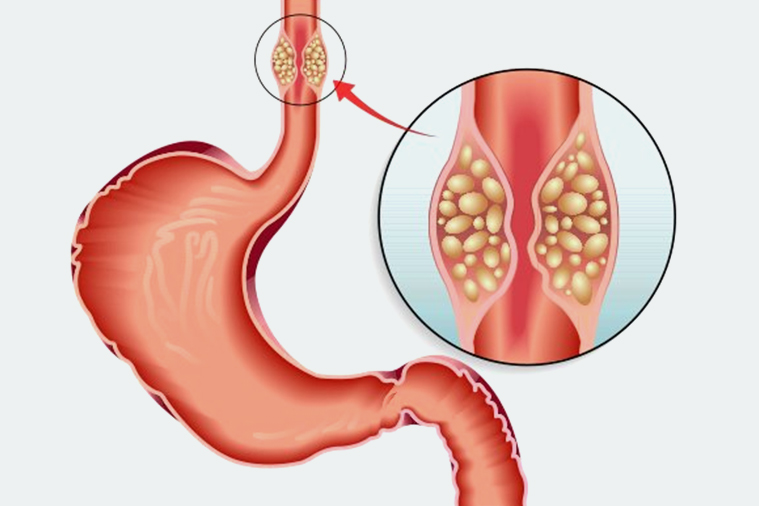
Esophageal cancer is cancer that happens in the esophagus. The esophagus is a long, hollow tube that begins at the throat and ends at the stomach. It is the transportation route through which food taken into the mouth moves to the stomach for digestion. Esophageal cancer may occur at any place along its path. More men than women are affected by this cancer.
Esophageal cancer is described as cancer when cells within the inner wall of the esophagus mutate and multiply rapidly forming tumor. Types of esophageal cancer are:
Esophageal cancers take place when changes happened in DNA of cells that constitute the esophagus.
Esophageal cancer does not reveal any symptom as such until it grows larger to make difficult to pass food through it. However, following symptoms demand immediate consultation with the doctor for further investigation for diagnosis of esophagus cancer:
Treatment of cancer is individualized to the condition of the patient. However, the recommended treatments are as follows:
Esophageal cancer develops when cells in the esophagus undergo abnormal DNA changes and start growing uncontrollably. Common risk factors include tobacco use and alcohol (linked to squamous cell carcinoma), as well as long-term acid reflux (GERD) and Barrett's esophagus, which are associated with adenocarcinoma. Chronic irritation of the esophagus increases the risk over time.
Men are generally at higher risk than women. People who smoke, consume alcohol heavily or have long-standing acid reflux are more likely to develop this condition. Adenocarcinoma, in particular, is more common in individuals with untreated GERD affecting the lower part of the esophagus.
Treatment depends on the stage and location of the cancer. Options may include surgery such as esophagectomy, stent placement to improve swallowing, chemotherapy and radiation therapy. In some cases, targeted therapy or endoscopic procedures may also be used, depending on the tumor characteristics.
Early stages may not cause noticeable symptoms. As the condition progresses, common signs include difficulty swallowing (dysphagia), persistent heartburn, unexplained weight loss and sometimes blood in vomit or stool. Voice changes can occur in advanced stages if nearby nerves are affected.
Dr. Parthasarathy is experienced in managing esophageal cancer. He provides comprehensive care, including surgery, stenting and coordination of therapies based on the patient’s condition and stage of the disease.

Your health deserves the best. Choose Dr Parthasarathy for the best GI care.