
Get Directions
Minister Road, SecunderabadCall For Appoitnment
+91 73309 90044
Get Directions
Minister Road, SecunderabadCall For Appoitnment
+91 73309 90044
Liver cancer also called hepatic cancer, is cancer that starts in the liver named as primary liver cancer. Liver cancer that has migrated to the liver from other organs by metastasis is called secondary liver cancer.
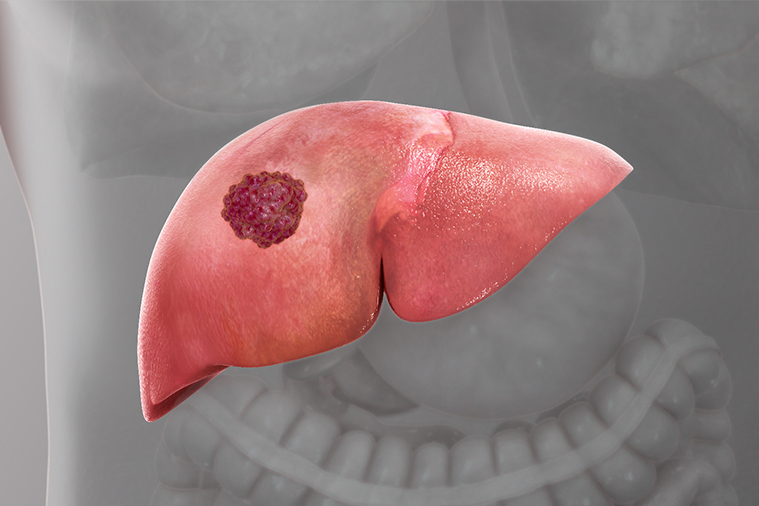
The liver is one of the largest organs of the human body is placed below the right lung under the ribcage. It has two lobes, right and left. Cancer that starts in the liver is stated as primary liver cancer. Most common type of primary cancer that found in the liver is hepatocellular carcinoma (HCC) and affects male more than female. HCC may have different growth pattern:
There are other types of liver cancers named intrahepatic cholangiocarcinoma and hepatoblastoma, which are not common.
Secondary liver cancer, which is originated from other organs but metastasized and spread to the liver; the name of cancer is described after the name of that particular originating organ.
Like any type of cancer in any organ, the cause of liver cancer is not clear. But it is known that like other cancer, liver cancer also occurs when cells of liver start mutation in their DNA and become malignant.
However, following risk factors increases the probability of happening of liver cancer:
Liver cancer does not show any symptom at its early stage. When it grows to advance stage the following signs and symptoms may appear:
Unfortunately, symptoms of liver cancer do not appear at the early stage and results to little chance for curing the disease. However, doctors can reduce the growth of tumor in the liver and increase the life expectancy during the following treatment:
Liver cancer, also called primary hepatic cancer, begins in the liver itself. The most common type is hepatocellular carcinoma (HCC), which may appear as a single tumor or multiple nodules, especially in people with liver cirrhosis. Sometimes, cancer can spread to the liver from other organs—this is known as secondary liver cancer.
Liver cancer develops when there are changes (mutations) in the DNA of liver cells, causing them to grow abnormally. Common risk factors include cirrhosis, chronic hepatitis B or C infections, fatty liver disease (especially in people with diabetes), excess alcohol use, genetic conditions like hemochromatosis, and exposure to toxins like aflatoxins. The exact cause can vary from person to person.
In the early stages, liver cancer often does not cause noticeable symptoms. As it progresses, people may experience unexplained weight loss, pain in the upper abdomen, loss of appetite, fatigue, nausea, jaundice, swelling in the abdomen, and pale or chalky stools.
Treatment depends on the stage of the cancer and the patient’s overall health. In early stages, surgery to remove the tumor or a liver transplant may be recommended. Other options include ablative therapies (such as alcohol injection or radiofrequency ablation), as well as radiotherapy and chemotherapy to control tumor growth.
Dr. Parthasarathy is known for managing liver cancer cases. Treatment may include tumor removal surgery, ablation procedures, or evaluation for liver transplantation, depending on the stage of the disease and individual patient needs.

Your health deserves the best. Choose Dr Parthasarathy for the best GI care.